Do you know what the tallest bird in the world was?
This was the question Dejay asked during her job interview to show her interest in New Zealand history and culture. She had recently created a homework presentation about the moa - the extinct bird which was native to Aotearoa New Zealand - as part of her online English class.
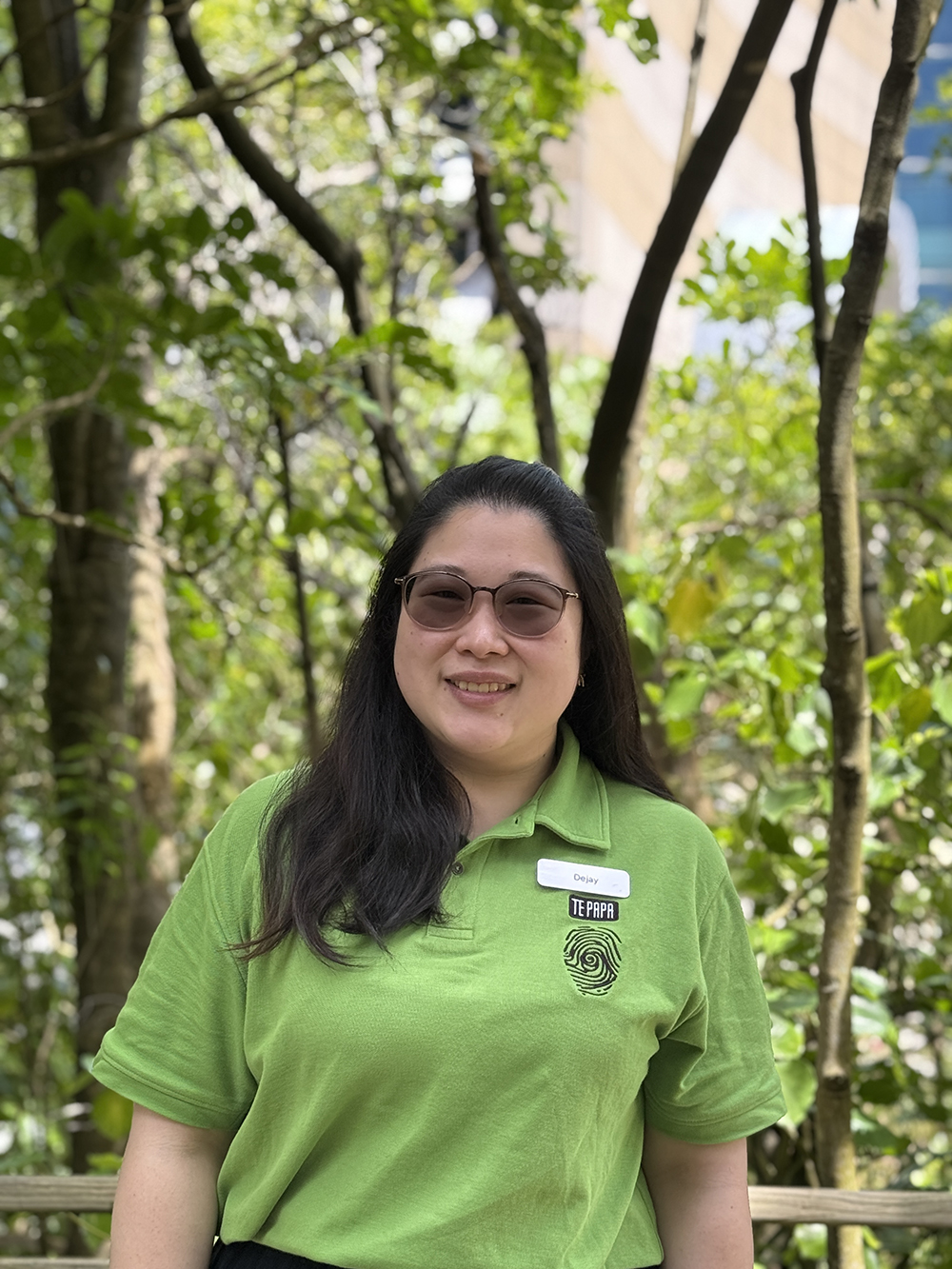
Officially called the Museum of New Zealand Te Papa Tongarewa – translated to “container of treasures” in English - Te Papa is a place many people dream of working in. For Dejay, this dream came true when she was hired as a Chinese-speaking tour guide in 2025.
Originally from Hong Kong, Dejay married a New Zealand citizen she met while on a working holiday in Australia. COVID-19 delayed her move to New Zealand for two years, and she finally arrived in 2022. Her first job was with the Electoral Commission, where she saw how workplaces in Aotearoa honour the principles of the Te Tiriti o Waitangi.
Although she had studied English back home in Hong Kong, Dejay wanted to speak more confidently. “I wanted to learn more. I wanted to talk confidently.” She turned to ChatGPT to ask for advice, which led her to English Language Partners, where she joined two online classes.
The different classes Dejay took complemented each other perfectly.
In her English for the workplace class, Dejay learnt how to deliver a professional presentation and techniques like using a rhetorical question in the introduction to get interest – skills that were useful for her job interview.
In her online speaking and listening class, she gained valuable listening and speaking skills and learnt useful te reo Māori words and phrases she might encounter in the workplace and in everyday life in Aotearoa.
Learning everyday te reo Māori is part of English Language Partners’ cultural strategy, Te Ara Ahurea, which recognises te reo Māori as a taonga and weaves it into all teaching programmes.
At her interview for the role at Te Papa, Dejay was asked, “Do you know any te reo Māori words?”
Thanks to her classes at English Language Partners, she could reply, “Sure. My teachers have taught us many common phrases. I can write “ngā mihi” (best regards) in my emails and greet people with “tēnā koutou katoa” (hello everyone).”
The faces of the people on the interview panel lit up. “I could see that they respected that I had made the effort to learn some te reo Māori. I’m not from here, but I tried to learn.” That effort helped her secure the job.
With training and support, Dejay is settling into her new workplace well.
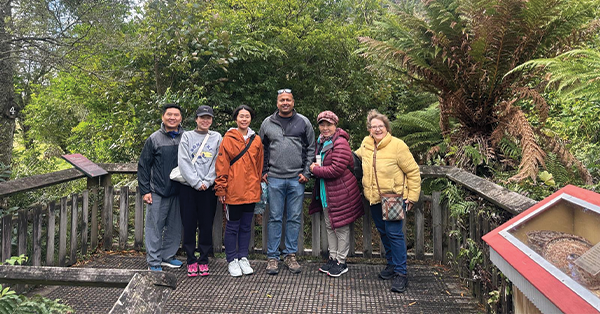
Now working at Te Papa, Dejay spends her days sharing New Zealand’s treasures with visitors from around the world. She shared her advice for others chasing their dream job in Aotearoa.
“Don’t be afraid to speak. You might make mistakes, but it’s OK. People in New Zealand won’t say anything bad. They just want to understand you.”
Dejay built the confidence she needed to succeed. She learnt English in a uniquely New Zealand context, which meant also learning te reo Māori words and phrases for life in Aotearoa. Could you follow her path and find your dream job too?